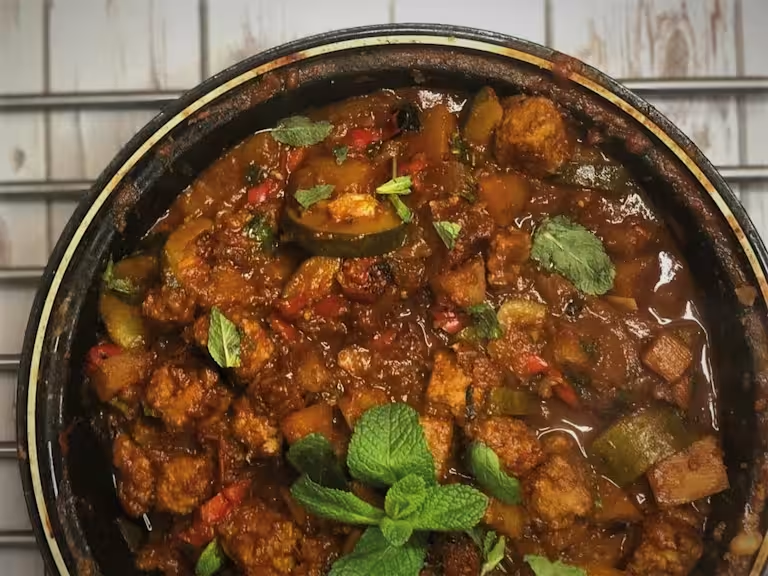
High Protein Vegetarian Recipes

These delicious high protein vegetarian recipes are perfect if you want to boost your protein intake to support muscle growth and maintenance without compromising on flavour. With a wide range of breakfast, lunch, and dinner ideas, you’ll find everything from protein-packed salads and hearty stews to flavourful curries, snacks, and more.
Quorn is the perfect way to incorporate protein into your diet, as Quorn mycoprotein is a complete protein containing all nine essential amino acids. We've combined mycoprotein into our delicious high protein recipes to make hitting your protein goals and stay fuelled throughout the day a breeze.
Search recipes by:
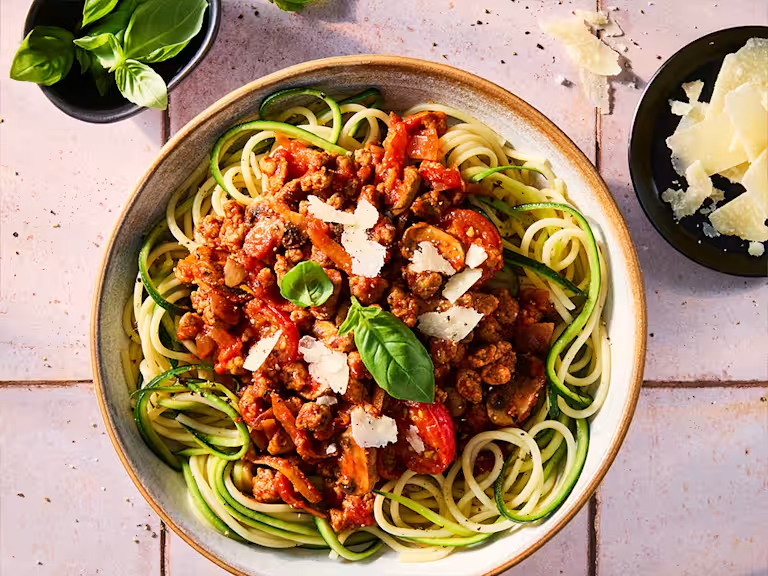
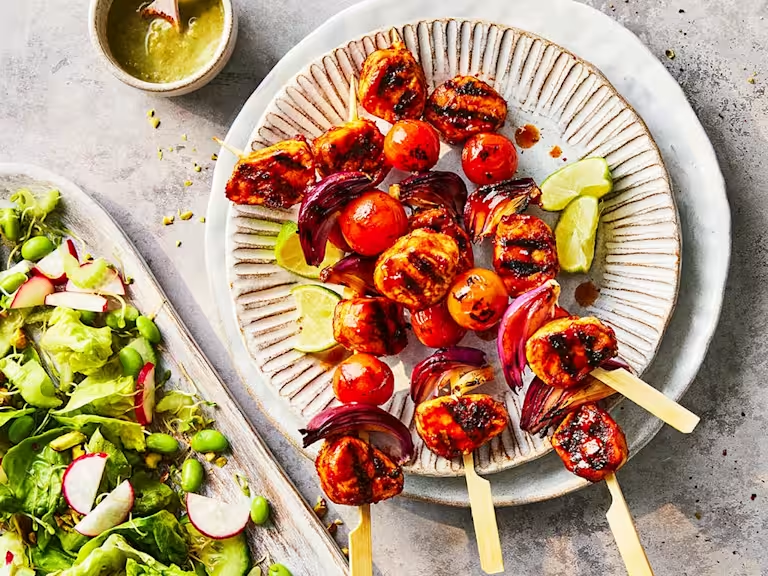
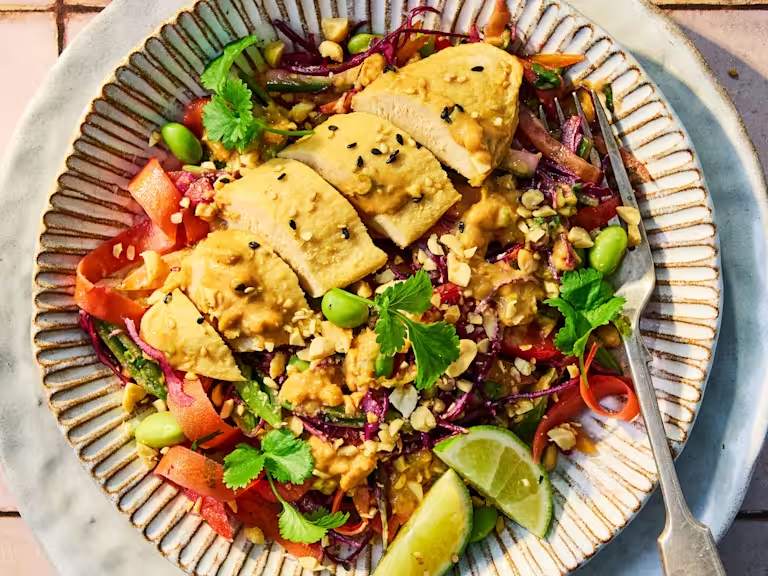
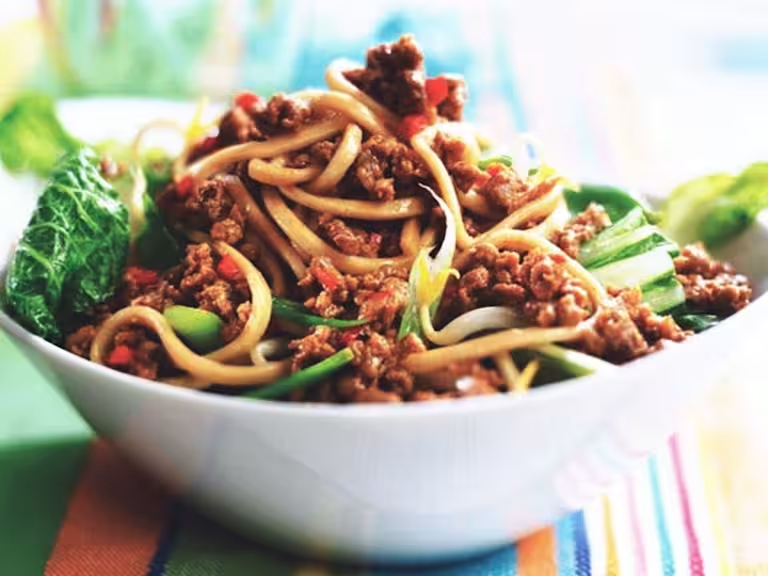
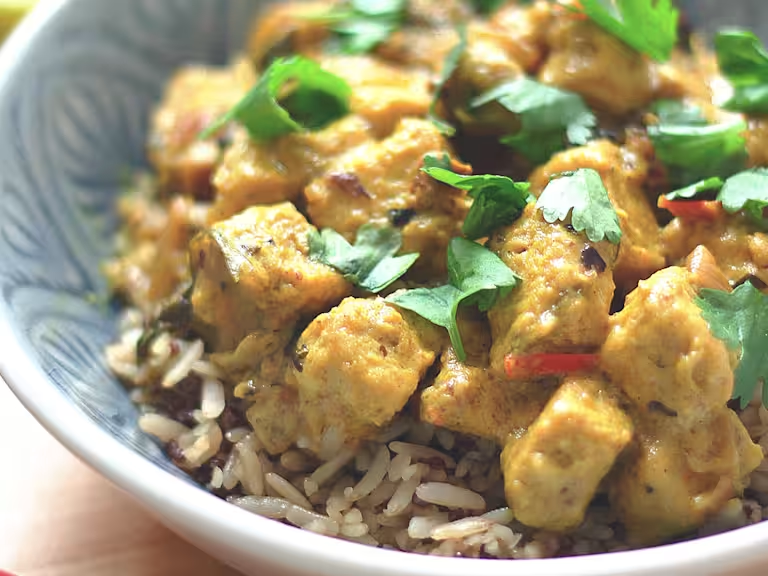

Explore the whole collection
See all productsDid you know?
90%
Quorn Spaghetti Bolognese has 90% less saturated fat than a beef version†[1]
3 years
You save GHG emissions equivalent to charging your phone for over 3 years by swapping beef mince for Quorn Mince in just one meal†[2][3]
12x lower
The water footprint of Quorn Mince is 12X lower than that of beef Mince†[2]
Data sources: † Global average, 1. McCance and Widdowson (2019), 2. Quorn Footprint Comparison Report (the Carbon Trust, 2023), 3. Forbes (2013)
Let's Talk Protein
Wondering how much protein is in Quorn products? You're in the right place. Discover the answers to our most-asked questions and learn why mycoprotein is the positive protein choice.
See all FAQsWhat foods have high protein?
Key sources of meat-free protein include:
- Legumes & pulses: beans, lentils, chickpeas.
- Grains & pseudo grains: quinoa, buckwheat, whole oats.
- Nuts & seeds: almonds, chia, hemp, pumpkin seeds.
- Soy & soy products: tofu, tempeh, edamame.
- Mycoprotein: Quorn products (such as Mince, Pieces and Fillets) deliver a complete protein (all nine essential amino acids), making them an excellent meat-free choice for boosting protein in your meals.
Why is a high protein diet good?
A diet with sufficient protein offers multiple benefits:
- Muscle growth & repair: Protein contributes to the growth or maintenance of muscle mass.
- Metabolic support: Protein has a higher thermic effect than fats or carbs, meaning your body uses more energy to digest it.
- Nutrient density: Many high-protein foods (like legumes, nuts, whole grains) also provide vitamins, minerals, and fibre.
Where can I get protein without eating meat?
You can get protein from many plant-based and alternative sources. By combining Quorn products with legumes, grains, nuts, and seeds, you can build protein-rich vegetarian meals from morning to evening, all without meat.
